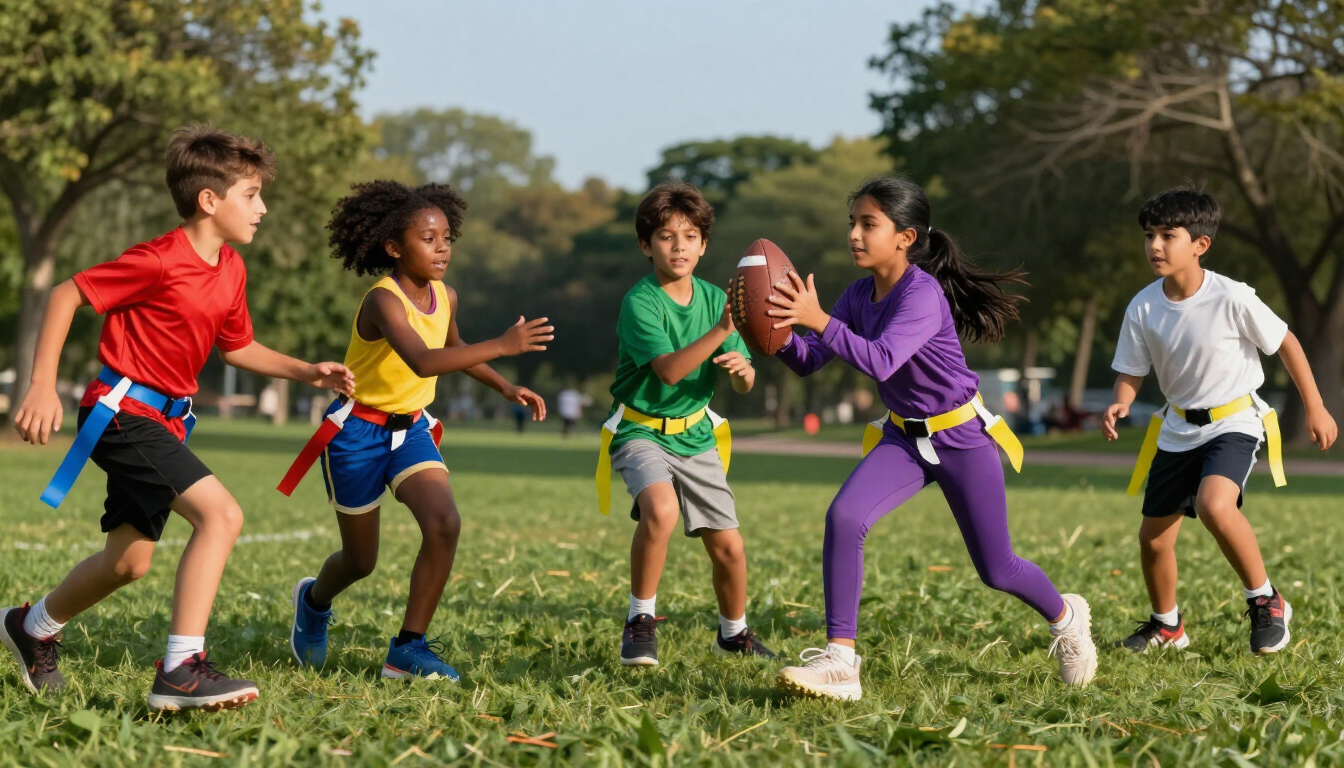


Youth football teaches essential real-life skills like discipline, teamwork, resilience, and leadership. By navigating challenges on the field, K-6 players in LaGrange learn to collaborate with peers, manage emotions under pressure, and understand the value of hard work, preparing them for success far beyond the final whistle.
What are the key life skills learned in youth football?
If you think youth football is just a collection of grass stains, slightly oversized helmets, and parents frantically searching for a missing orange slice, you might be missing the bigger picture. While the scoreboard tells one story, the real narrative is unfolding in the character of our kids. In LaGrange, we see our K-6 athletes developing a toolkit of "soft skills" that are becoming increasingly rare in an era dominated by screens and instant gratification.
When a child steps onto the field, they aren't just learning how to run a sweep or execute a proper form tackle; they are entering a high-speed classroom where the lessons are physical, emotional, and social. The primary life skills garnered through this experience include:
- Emotional Regulation: Learning how to handle a loss without a total meltdown (usually).
- Strategic Thinking: Understanding that every action has a consequence on the field.
- Social Intelligence: Navigating the complex world of peer dynamics and coach feedback.
- Work Ethic: Discovering that the "big play" on Saturday is a direct result of the Tuesday night sweat.
- Reliability: Realizing that if you don't show up, your teammates are literally left in the lurch.
By engaging in our local league, families find that the About section of our organization is less about football and more about human development. We aren't just training future NFL stars; we’re training future neighbors, employees, and parents who know how to show up when things get tough.
Building Resilience Through the "Next Play" Mentality
Resilience is perhaps the most valuable currency in the modern world. In youth football, resilience isn't a theoretical concept discussed in a textbook; it’s the act of getting back up after a kid twice your size accidentally sat on you during a fumble recovery. We call this the "Next Play" mentality. It’s the ability to acknowledge a mistake—like a dropped pass or a missed block—and immediately pivot to the next opportunity without carrying the baggage of the last failure.
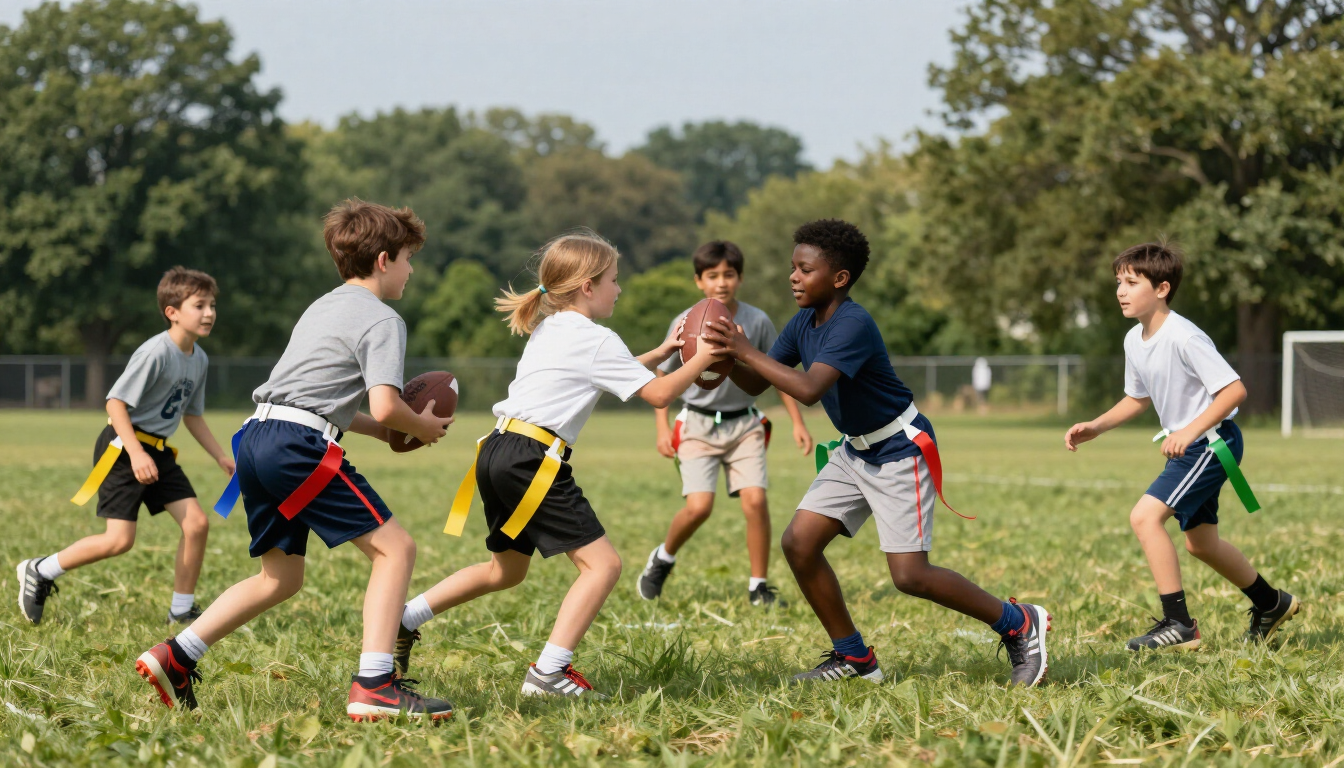
In our padded flag and tackle programs, kids learn that failure is a data point, not a destination. When a young quarterback throws an interception, they have about thirty seconds to process that disappointment before they have to go back out on defense. This teaches them that the world doesn't stop because they made a mistake. They learn to shake it off, adjust their chin strap, and focus on what they can control in the present moment. This is a skill that translates directly to the classroom—if they fail a spelling test, they don't give up on school; they study harder for the next one.
We provide a safe environment for this growth at our various facilities , where the focus remains on the process rather than just the outcome. Resilience is built in the mud, in the heat, and in the closing minutes of a tight game. It’s the grit that stays with them long after they’ve outgrown their cleats.
How does youth football improve teamwork for K-6 kids?
Teamwork in youth football is a masterclass in collaboration. Unlike individual sports where a single standout performance can carry the day, football requires all eleven (or however many are on the field) to work in relative harmony. For a K-6 child, this is a radical departure from the self-centered world of early childhood. They quickly learn that if the center doesn't snap the ball correctly, the star running back never even touches it.
Through our schedules and regular practices, kids begin to see themselves as part of a larger machine. They learn to:
- Trust others: Believing your teammate will hold their block so you can make your move.
- Sacrifice glory: Understanding that your role might be to distract the defense so someone else scores.
- Communicate clearly: Using verbal and non-verbal cues to stay aligned under pressure.
- Resolve conflict: Handling the inevitable "you were supposed to be there!" moments with maturity.
- Celebrate collectively: Realizing that a team win feels ten times better than an individual highlight.
In LaGrange, this sense of community extends to the parents as well. We aren't just a league; we are a network of families working together to raise capable kids. When a child learns to work with a teammate they might not be best friends with outside of football, they are learning the foundational skills of professional collaboration. They are learning that diversity of talent and personality is what makes a team strong.
Leadership Development in Huddles and Beyond
Leadership is often misunderstood as just being the person who talks the loudest. In youth football, we teach that leadership is about influence and responsibility. Whether it’s a veteran 6th grader helping a rookie 3rd grader with their stance, or a captain encouraging the team after a tough quarter, leadership opportunities are everywhere.
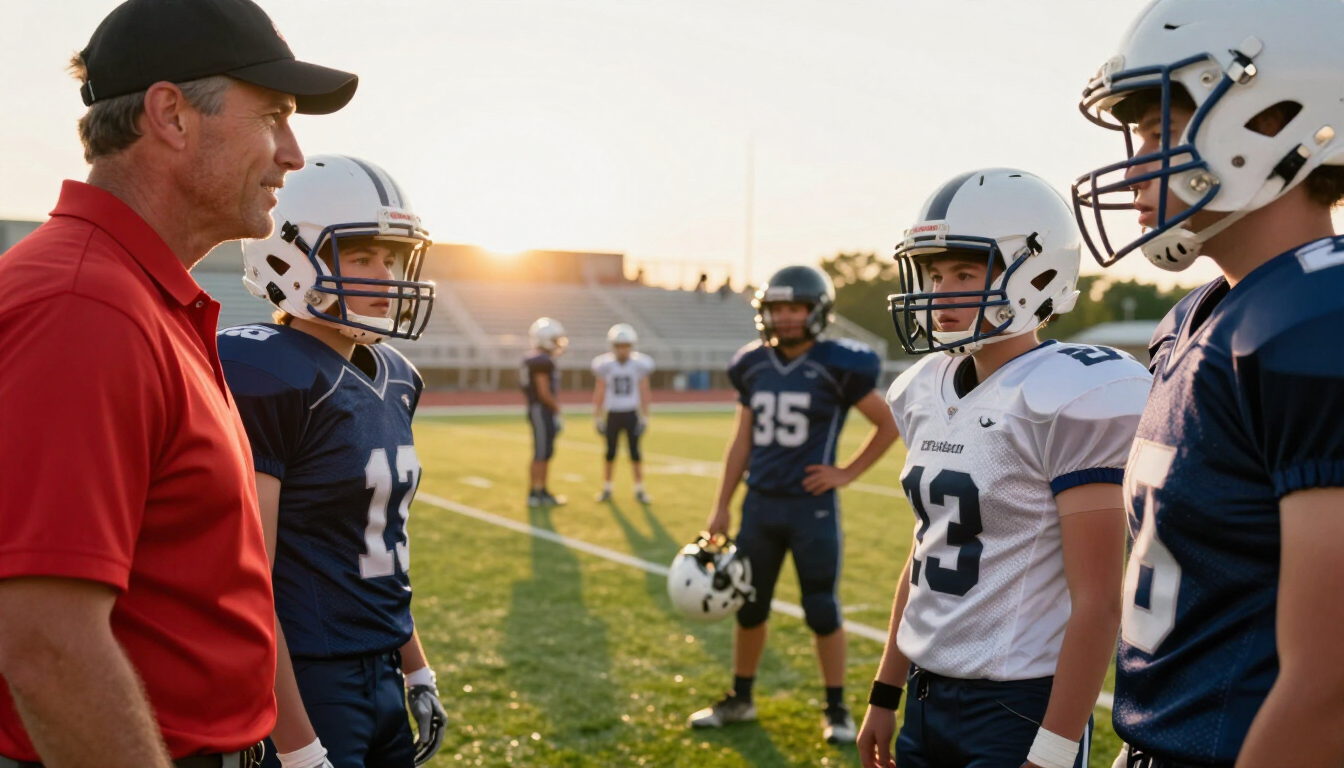
We encourage our players to find their voice. In the huddle, someone has to take charge, call the play, and ensure everyone is aligned. This isn't just about football; it’s about public speaking, confidence, and empathy. A true leader on the field recognizes when a teammate is struggling and offers a hand up rather than a finger-point. These moments of micro-leadership build a child’s self-esteem and give them the confidence to lead in other areas of their life, such as student council or group projects at school.
When you register your child, you aren't just signing them up for a sport; you’re placing them in a leadership laboratory. We look for those moments where a player takes initiative, demonstrating that you don't need a title to be a leader—you just need the willingness to help the team move forward.
Is youth football effective for teaching discipline?
Discipline is the bridge between goals and accomplishment, and youth football provides a very sturdy bridge. In our league, discipline is framed through the lens of preparation and respect. From showing up to practice on time to following the specific rules of the game, kids are constantly practicing self-control.
Football requires a high level of technical discipline. You have to keep your head up, your feet moving, and your hands in the right place. If a player gets lazy with their technique, they don't just lose the play—they risk safety. This "high-stakes" environment (in a controlled, supervised way) makes the lessons stick. Discipline in football looks like:
- Listening to instructions: Absorbing a coach's feedback and applying it instantly.
- Physical conditioning: Pushing through the urge to quit when your legs feel like jelly.
- Routine: Adhering to a practice schedule even when a new video game just came out.
- Impulse control: Not reacting poorly to a referee's call or an opponent's shove.
- Focus: Blocking out the noise of the sidelines to concentrate on the job at hand.
This discipline creates a sense of pride. There is a specific kind of confidence that comes from knowing you did the hard work when no one was watching. In LaGrange, we emphasize that how you do anything is how you do everything. If you are disciplined on the practice field, you will be disciplined in your homework and your chores.
The Long-Term Impact of Sportsmanship
Sportsmanship is the "secret sauce" of youth sports. It’s the ability to win with humility and lose with dignity. In our K-6 league, we make sportsmanship a non-negotiable part of the culture. At the end of every game, regardless of the score, the players line up to shake hands. This isn't just a hollow ritual; it’s a recognition of the mutual effort and respect required to play the game.
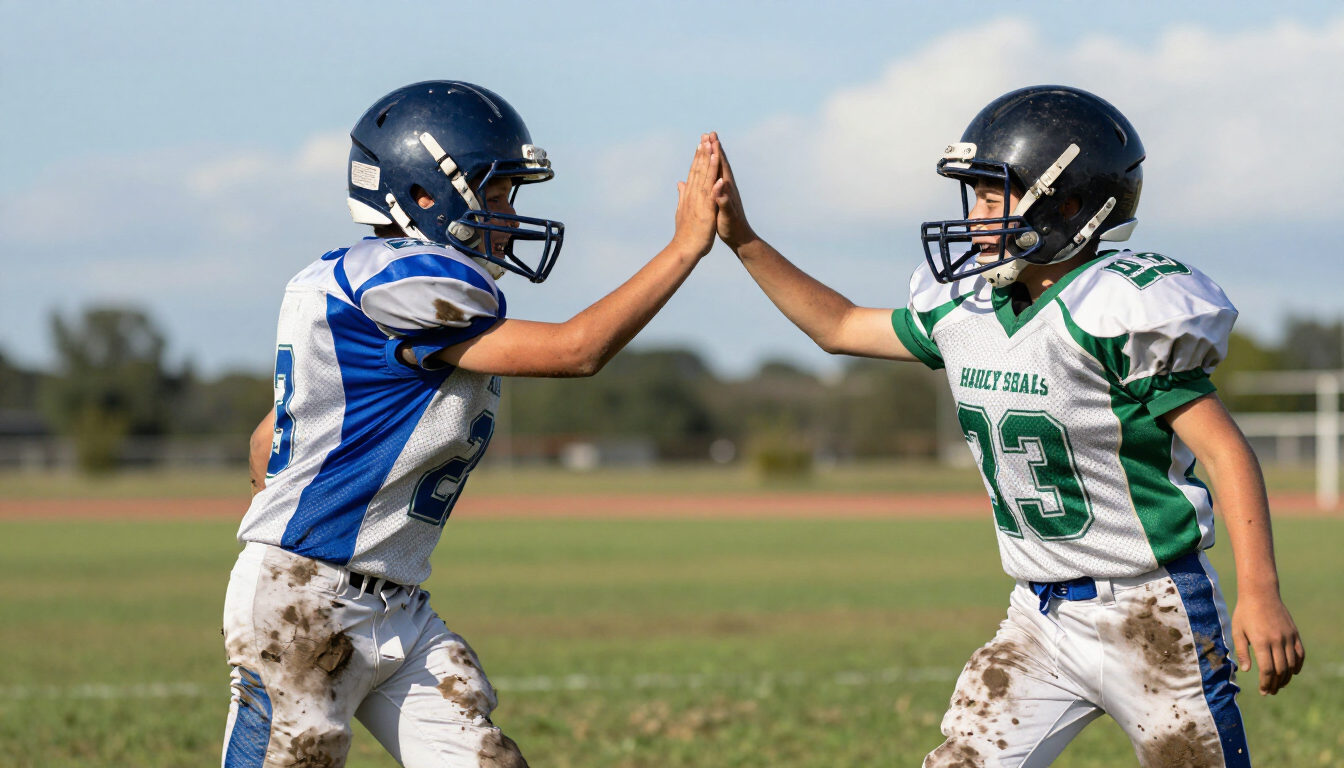
Practicing sportsmanship teaches kids that their opponents aren't enemies—they are partners in the competition. It teaches them to respect authority, represented by the officials and coaches, even when they disagree with a decision. This level of maturity is a major asset as they grow. We often see that the kids who exhibit the best sportsmanship on the field are the same ones who become the most well-adjusted and empathetic adults.
Recent Posts